
Gut Health for Elite Athletes in 2026: How Top Sports Stars Like Djokovic, LeBron & Ronaldo Optimize Recovery, Endurance & Performance
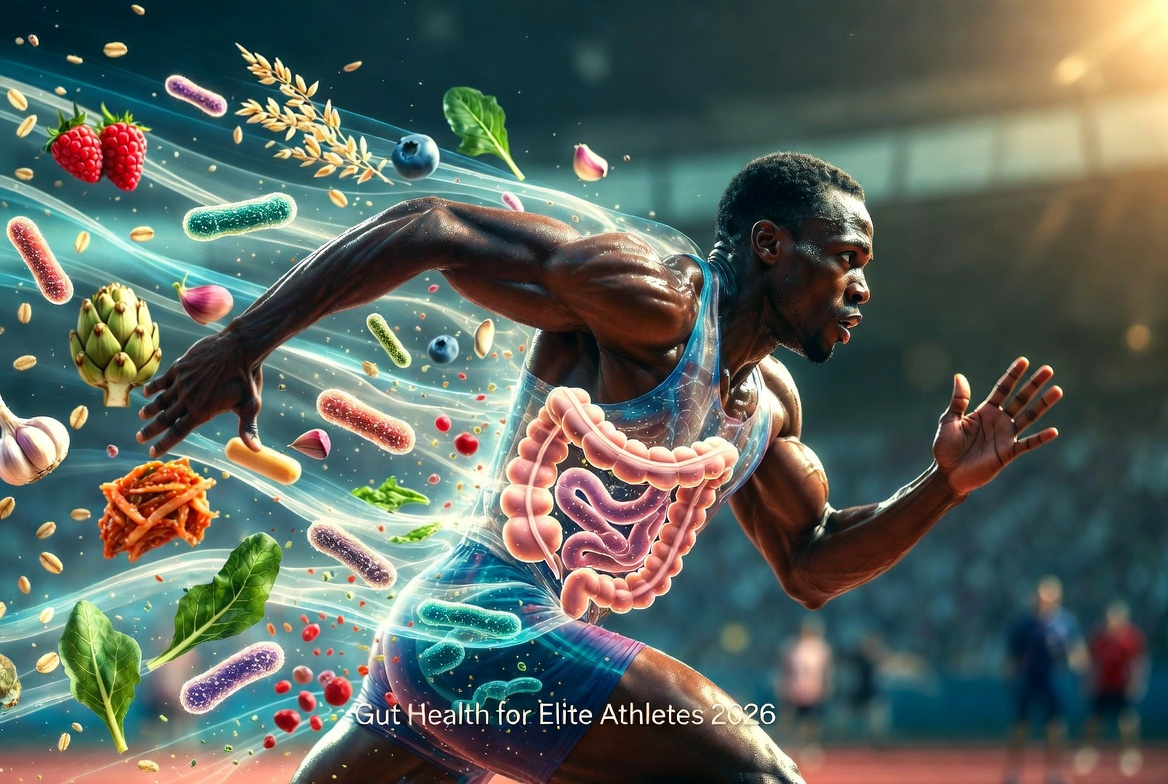
Elite athletes push their bodies to the absolute limit. Yet the difference between good and legendary performance often comes down to one hidden factor: the gut microbiome.
In 2026, high-performance sports nutrition has shifted dramatically. Intense training rewires the gut bacteria, and the smartest athletes are leveraging this to gain faster recovery, better energy metabolism, reduced inflammation, stronger immunity, and even improved mental focus under pressure.
From Novak Djokovic’s plant-forward approach and gluten-free edge to LeBron James’ meticulous recovery protocols and Cristiano Ronaldo’s disciplined routines, top stars are treating their gut as a performance engine — not an afterthought.
This in-depth guide breaks down exactly how gut health powers athletic excellence in 2026. You’ll discover science-backed habits, the role of fiber and fermentation, common mistakes that sabotage performance, and a practical 30-day protocol you can adapt whether you’re a pro athlete or a dedicated amateur.
Table of Contents
- Why Gut Health Is the 2026 Game-Changer for High-Performance Athletes
- How Intense Training Reshapes the Athlete’s Gut Microbiome
- The Gut-Performance Connection: Energy, Recovery & Immunity
- 8 Gut Health Habits Used by Elite Athletes in 2026
- Fiber “Fibermaxxing” & Prebiotics: The Secret Fuel for Endurance
- Plant-Forward & Personalized Nutrition Strategies That Work
- Myths vs. Reality: What Most Athletes Still Get Wrong
- Build Your Own Elite Gut Protocol in 30 Days
- FAQ
- Final Thoughts + Your Next Step
1. Why Gut Health Is the 2026 Game-Changer for High-Performance Athletes
Sports nutrition in 2026 places microbiome optimization at the center. Research shows elite athletes naturally develop greater microbial diversity, enriched with short-chain fatty acid (SCFA) producers that enhance energy production, reduce fatigue, and speed up recovery.
Intense training can disrupt the gut, but strategic nutrition turns it into a competitive advantage. Athletes who prioritize gut health report fewer illnesses, faster bounce-back between sessions, and sustained performance across long seasons or tournaments.
2. How Intense Training Reshapes the Athlete’s Gut Microbiome
Heavy exercise increases gut permeability and alters bacterial balance. However, well-managed training combined with the right diet promotes beneficial bacteria like Veillonella (which converts lactate into usable energy) and butyrate producers that support muscle function and reduce inflammation.
Studies in 2025–2026 confirm that athletes with diverse microbiomes show better endurance, lower oxidative stress, and improved metabolic efficiency.
3. The Gut-Performance Connection: Energy, Recovery & Immunity
The gut influences:
- Energy metabolism — via SCFA production that fuels muscles and mitochondria.
- Recovery — by lowering systemic inflammation and supporting muscle repair.
- Immunity — preventing training-induced illnesses that derail seasons.
- Mental edge — through the gut-brain axis, helping maintain focus during high-stakes competition.
Novak Djokovic credits dietary changes (including going largely plant-based and gluten-free) for his longevity and ability to recover quickly at an advanced age. LeBron James invests heavily in recovery tools and nutrition that indirectly support gut stability for year-round dominance.
4. 8 Gut Health Habits Used by Elite Athletes in 2026
- Strategic Fiber Intake (Fibermaxxing) — Aiming for 30–50g daily from diverse plants to feed beneficial bacteria and produce SCFAs.
- Daily Fermented Foods — Kefir, sauerkraut, kimchi or yogurt to introduce live microbes that aid digestion and immunity.
- Prebiotic-Rich Foods — Artichokes, garlic, onions, oats, and legumes to selectively nourish good bacteria.
- Hydration with Purpose — Electrolyte-balanced fluids plus gut-friendly additions to support motility and prevent dehydration-related issues.
- Periodized Nutrition — Adjusting fiber and carbs around training blocks to avoid GI distress during competition.
- Recovery-Focused Breathwork & Sleep — Supporting the nervous system, which directly impacts gut function.
- Targeted Probiotics or Postbiotics — Strain-specific options backed by 2026 research for performance gains.
- Avoiding Ultra-Processed Foods — Minimizing added sugars and additives that harm microbial diversity.
5. Fiber “Fibermaxxing” & Prebiotics: The Secret Fuel for Endurance
Fiber isn’t just for digestion — in athletes it enhances glycogen storage, reduces lactate buildup, and improves oxygen utilization. 2026 trends emphasize diverse, fermentable fibers that produce butyrate, which strengthens the gut barrier and supports muscle preservation.
Elite footballers and endurance athletes now prioritize colorful, fiber-fueled plates to maintain steady energy without crashes.
6. Plant-Forward & Personalized Nutrition Strategies That Work
Many top athletes lean plant-forward (not always fully vegan) for faster recovery and lower inflammation. Djokovic’s success with plant-heavy eating highlights how this approach delivers clean energy and reduces injury risk.
Personalization via microbiome testing is growing, allowing athletes to fine-tune prebiotics, probiotics, and meal timing for their unique gut profile.
7. Myths vs. Reality: What Most Athletes Still Get Wrong
- Myth: High-protein, low-fiber diets are optimal for muscle.
Reality: Adequate fiber supports immunity and recovery without sacrificing gains. - Myth: All probiotics deliver the same benefits.
Reality: Strain-specific and timing matter — especially around intense training. - Myth: Gut issues are inevitable with hard training.
Reality: Strategic nutrition dramatically reduces GI problems. - Myth: Supplements replace real food.
Reality: Food-first (fiber + fermentation) builds the strongest foundation.
8. Build Your Own Elite Gut Protocol in 30 Days
Week 1: Baseline tracking — log current fiber intake and add one fermented food daily.
Week 2: Ramp up diversity — hit 30g+ fiber from 10+ plant sources.
Week 3: Add prebiotics and breathwork post-training.
Week 4: Test performance markers (energy, recovery time, digestion) and refine.
Track sleep, mood, and training output. Small daily improvements compound into elite-level results.
FAQ
Q: Can improving gut health really boost endurance?
A: Yes — through SCFA production, better lactate handling, and reduced inflammation.
Q: Do I need microbiome testing?
A: It helps for personalization, but start with consistent food habits first.
Q: How much fiber is too much for athletes?
A: Periodize it — higher on rest days, moderate before intense sessions to avoid discomfort.
Q: Which athletes benefit most?
A: Endurance, team sports, and combat athletes all see gains in recovery and consistency.
Q: Is a fully plant-based diet necessary?
A: No — plant-forward with quality proteins works well for most.
Q: How quickly do changes appear?
A: Digestion and energy often improve in 1–2 weeks; performance gains build over 4–8 weeks.
Q: What’s the biggest lever for high-performance gut health?
A: Consistent diverse fiber combined with fermented foods.
Final Thoughts + Your Next Step
In 2026, the athletes dominating their fields aren’t just training harder — they’re fueling their microbiome smarter. Novak Djokovic, LeBron James, Cristiano Ronaldo and others prove that gut health delivers the edge in recovery, endurance, immunity, and longevity.
You don’t need million-dollar protocols. Start today: increase fiber diversity, add fermented foods, and stay consistent. Your performance (and long-term health) will thank you.
What’s your biggest challenge with gut health during training? Drop it in the comments — I read every one. Share this with a training partner or coach who wants a real performance upgrade.