
12 Natural Remedies for Diabetes: Science-Backed Ways to Help Control Blood Sugar
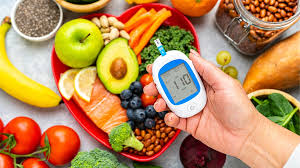
Managing diabetes can feel overwhelming, especially when blood sugar levels fluctuate throughout the day. While medical treatment is essential, many people look for natural ways to support healthy glucose levels.
The good news is that several plants, herbs, and natural ingredients have been studied for their potential to help regulate blood sugar. When used correctly and alongside medical guidance, these remedies may support metabolic health and improve insulin sensitivity.
In this article, you’ll discover 12 natural remedies that may help control blood sugar, how they work, and simple ways to include them in your daily routine.
⚠️ Important: Natural remedies should never replace medical treatment. Always consult a healthcare professional before adding new supplements or herbs to your routine.
Why Natural Remedies Can Help With Blood Sugar Control
Many natural ingredients contain bioactive compounds such as antioxidants, flavonoids, and alkaloids that influence how the body processes glucose.
Some of the main benefits include:
- Improving insulin sensitivity
- Reducing post-meal blood sugar spikes
- Supporting pancreatic insulin production
- Lowering oxidative stress and inflammation
These effects can be particularly helpful for people with Type 2 diabetes or prediabetes.
Let’s explore the most effective options backed by research.
1. Fenugreek Seeds
Fenugreek is widely recognized for its powerful effect on blood sugar regulation.
It contains 4-hydroxyisoleucine, an amino acid that may help stimulate insulin production and slow carbohydrate absorption.
Potential Benefits
- Helps reduce blood sugar spikes after meals
- Improves insulin response
- Supports digestive health
How to Use
Fenugreek Tea Recipe
Ingredients:
- 1 cup of water
- 2 teaspoons fenugreek seeds
Instructions:
- Bring the water to a boil.
- Add fenugreek seeds and simmer for 1 minute.
- Turn off the heat and let it steep for 5 minutes.
- Strain and drink warm.
Many people drink this tea after meals to help stabilize glucose levels.
2. Asian Ginseng
Asian ginseng has long been used in traditional medicine for metabolic health.
Studies suggest it may help increase insulin secretion and improve insulin sensitivity, making it a promising option for people managing Type 2 diabetes.
Possible Benefits
- Supports healthy blood sugar levels
- May boost energy and reduce fatigue
- Improves metabolic balance
How to Use
Ginseng can be consumed as:
- Herbal tea
- Capsules or supplements
- Powder added to smoothies
3. Dandelion Root
Dandelion root is rich in inulin, a type of fiber that helps regulate blood sugar levels.
Because inulin does not cause glucose spikes, it can support better glycemic control and gut health.
Key Benefits
- Supports insulin production
- Improves digestion
- May help prevent blood sugar spikes
Simple Tea Recipe
Ingredients:
- 1 tablespoon dried dandelion root
- 1 cup water
Boil for 5 minutes, let it steep for another 5 minutes, strain and drink.
4. Chamomile Tea
Chamomile is best known for relaxation, but research suggests it may also help reduce blood sugar levels and protect blood vessels from diabetic complications.
Health Benefits
- Helps regulate glucose levels
- Rich in antioxidants
- Supports sleep and stress reduction
Drinking chamomile tea two to three times daily may offer supportive benefits.
5. Cinnamon
Cinnamon is one of the most studied spices for blood sugar control.
It contains compounds that mimic insulin activity, helping glucose move from the bloodstream into cells more efficiently.
Benefits of Cinnamon
- Improves insulin sensitivity
- Reduces fasting blood sugar
- May support heart health
Easy Cinnamon Water
- Add 1–2 cinnamon sticks to 1 liter of water.
- Let it sit overnight in the refrigerator.
- Drink throughout the day.
6. “Vegetable Insulin” Plant
Often called plant insulin, this medicinal herb contains flavonoids and antioxidants that may help lower blood sugar naturally.
Benefits
- Supports glucose metabolism
- Provides antioxidant protection
- Helps reduce inflammation
It is commonly consumed as herbal tea or natural supplement.
7. Bitter Melon
Bitter melon is widely used in traditional medicine for blood sugar control.
It contains compounds that act similarly to insulin and may improve glucose uptake by cells.
Potential Effects
- Reduces blood sugar levels
- Improves insulin function
- Supports metabolic health
Bitter melon can be consumed as tea, juice, or capsules.
8. Hibiscus Tea
Hibiscus is rich in anthocyanins and polyphenols, powerful antioxidants that may help regulate blood sugar levels.
Benefits
- Helps control glucose spikes after meals
- Supports heart health
- May reduce blood pressure
Many people enjoy hibiscus tea two to three times daily.
9. Garlic
Garlic is well known for its cardiovascular benefits, but it may also help improve insulin sensitivity and reduce fasting blood sugar levels.
Why Garlic Helps
Garlic contains allicin and sulfur compounds, which may help:
- Improve glucose metabolism
- Reduce inflammation
- Support immune health
How to Use
Crush one clove of garlic and steep it in hot water for several minutes to make a simple tea.
10. Ginger
Ginger is a powerful anti-inflammatory root that may improve insulin response and reduce blood sugar levels.
Benefits
- Supports insulin sensitivity
- Reduces inflammation
- Helps digestion
Ginger Tea Recipe
Ingredients:
- 1 inch fresh ginger (grated)
- 1 cup water
Boil for 8–10 minutes, strain and drink.
11. Barberry (Berberis Vulgaris)
Barberry contains berberine, a compound widely studied for its glucose-lowering effects.
Research suggests berberine may:
- Increase insulin secretion
- Reduce blood sugar levels
- Improve metabolic health
It’s often consumed as tea, extract, or supplement.
12. Turmeric
Turmeric contains curcumin, a powerful compound known for its anti-inflammatory and metabolic benefits.
How Turmeric Helps
Curcumin may:
- Improve insulin sensitivity
- Reduce glucose absorption in the intestine
- Support pancreatic function
Turmeric tea or capsules are popular ways to consume it.
Important Safety Tips
Although these remedies are natural, they still have active compounds that can interact with medications.
Before using any herbal remedy, consider the following:
- Consult a doctor or healthcare professional
- Avoid combining multiple remedies without guidance
- Monitor your blood sugar levels regularly
Natural therapies should **support — not replace — prescribed diabetes treatments.
Lifestyle Habits That Enhance Blood Sugar Control
Natural remedies work best when combined with healthy habits.
Some of the most effective strategies include:
- Eating a balanced diet rich in fiber
- Reducing processed sugars and refined carbs
- Exercising regularly
- Maintaining a healthy weight
- Getting enough sleep
These habits significantly improve long-term glucose control.
Final Thoughts
Natural remedies can be powerful allies in supporting healthy blood sugar levels. Herbs like fenugreek, cinnamon, turmeric, and ginger contain compounds that may improve insulin sensitivity and help regulate glucose metabolism.
However, the most effective approach to diabetes management combines:
- Medical supervision
- Healthy lifestyle habits
- Evidence-based natural support
If you’re exploring natural solutions for better metabolic health, learning how to combine nutrition, herbal support, and daily habits can make a huge difference.
👉 Want to discover a simple step-by-step method that helps stabilize blood sugar naturally?
Many people are now using structured nutritional strategies designed specifically to support healthy glucose levels and overall metabolic balance.
Sometimes, the right guidance can make the journey much easier.