The Science of Insulin Resistance: 7 Surprising Facts and Strategies to Master Your Blood Sugar
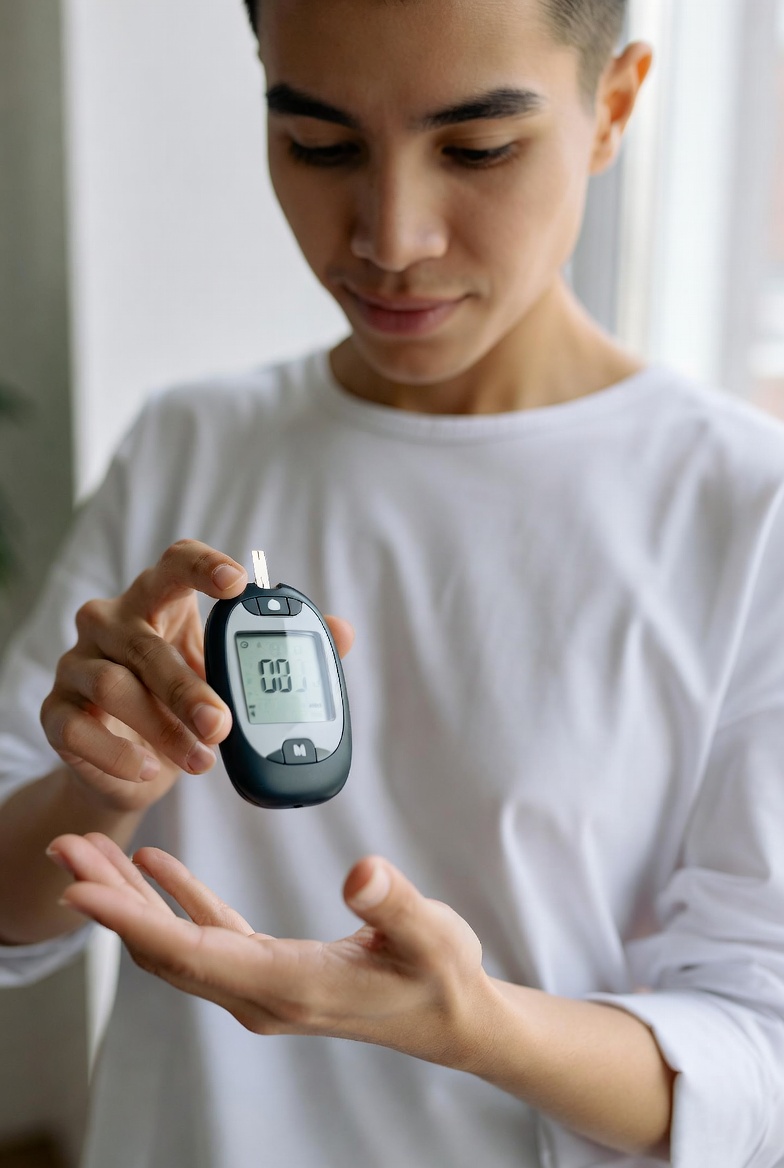
When most people think of Type 2 Diabetes, they picture finger pricks, glucose monitors, and avoiding dessert. But behind the clinical diagnoses and lab numbers lies a fascinating biochemical detective story. Type 2 Diabetes is essentially a state of advanced insulin resistance—a condition where your cells lock their doors, refusing to let glucose inside to be used as energy.
Understanding how your body processes fuel is the first step toward reclaiming your energy, clearing brain fog, and protecting your long-term health. If you are ready to move beyond basic advice and dive into how your metabolism actually works, here are seven surprising scientific facts and lifestyle shifts to help you master your blood sugar naturally.
1. The Muscle “Glucose Sponge” (And Why Walking Post-Meal Works)
Did you know that your skeletal muscles are responsible for clearing over 80% of the glucose from your bloodstream after a meal? Muscles are essentially giant “glucose sponges.”
- The Science: When you sit completely still after eating a carbohydrate-heavy meal, your body must rely entirely on insulin to force sugar into your cells.
- The Hack: If you take a simple 10-to-15-minute walk immediately after eating, your muscles contract. This contraction activates special proteins called GLUT4 transporters, which move to the cell surface and pull sugar directly out of the blood without needing insulin at all.
- The Result: A brief walk physically bypasses insulin resistance, flattening your blood sugar curve instantly.
2. Visceral Fat: The Hidden “Organ” Fighting Your Pancreas
Not all fat is created equal. The fat you can pinch under your skin (subcutaneous fat) is mostly an energy storage site. However, the fat that builds up deep within your abdomen, wrapping around your liver and pancreas, is known as visceral fat.
- The Danger: Scientists now view visceral fat as an active, toxic endocrine organ. It constantly secretes inflammatory chemicals called cytokines.
- The Impact: These inflammatory markers directly interfere with insulin signaling pathways, meaning abdominal fat actively makes your cells more insulin-resistant.
- The Good News: Visceral fat is the very first type of fat your body burns when you adopt a low-carb diet and increase daily movement. Losing just a small percentage of your body weight can drastically reduce internal inflammation.
3. The “Second Meal Effect” (The Hidden Power of Legumes)
One of the most fascinating phenomena in nutritional science is the Second Meal Effect. This is the biological reality that what you eat for breakfast directly dictates how your body handles the blood sugar spikes of your lunch and dinner.
- How it works: When you consume complex, slow-digesting carbohydrates—such as lentils, chickpeas, or beans—the microbes in your gut ferment the indigestible fibers into short-chain fatty acids (SCFAs).
- The Long-Term Benefit: These SCFAs slow down gastric emptying and improve your cellular insulin response for hours afterward. Eating a fiber-rich breakfast acts as a metabolic “shield,” protecting your body from glucose spikes later in the day.
4. Supplementing the Modern Depletion (The GlucoTonic Approach)
Even with strict dietary discipline, modern lifestyle factors—such as chronic stress, environmental toxins, and nutrient-depleted soils—can make it incredibly difficult for a damaged metabolism to heal itself. This is why targeted, scientifically aligned supplementation is becoming a standard pillar of metabolic wellness.
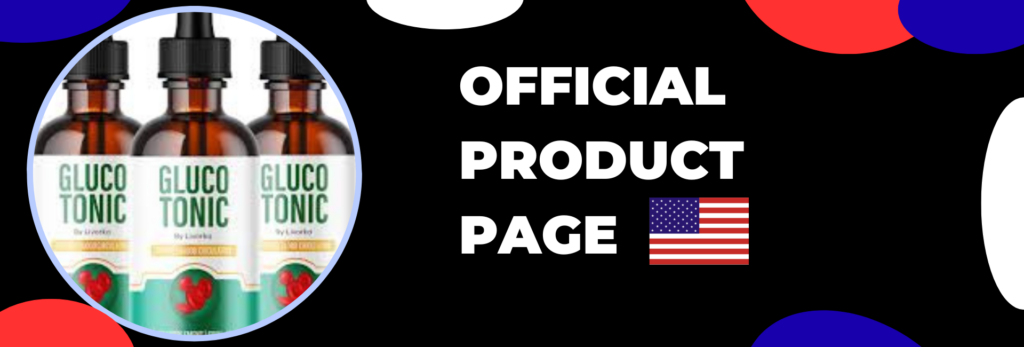
A formula that has been generating significant buzz among functional health experts is GlucoTonic. Rather than forcing the body into an unnatural state, this advanced blend works by addressing the nutritional deficiencies that fuel insulin resistance.
- The Mechanism: GlucoTonic combines natural plant extracts and micronutrients that support mitochondrial health, helping your cells “hear” insulin again.
- Who it’s for: It is highly recommended for individuals who experience stubborn morning glucose readings (the “dawn phenomenon”) or those who feel their metabolic progress has plateaued despite diet and exercise adjustments.
To understand the specific botanical ingredients and see how this formula can accelerate your metabolic recovery, click the image below
5. The Cortisol Connection: Why Stress Mimics a Sugar Binge
You could eat a completely sugar-free, zero-carb diet, but if you are under chronic mental or emotional stress, your blood sugar can still skyrocket.
- The Evolution: When your brain perceives stress (whether it’s a physical threat or a stressful work email), it releases cortisol and adrenaline. These hormones trigger a process called glycogenolysis, ordering your liver to dump stored glucose directly into your blood to provide instant energy for “flight or fight.”
- The Modern Problem: Because you aren’t physically running away from your office desk, that extra blood sugar simply circulates, triggering an insulin spike and causing a subsequent energy crash. Managing chronic micro-stress is a metabolic necessity, not just a lifestyle luxury.
6. The “Dawn Phenomenon” and the Secret of Sleep
Many people with insulin resistance notice a frustrating trend: their blood sugar is higher when they first wake up in the morning than it was when they went to bed. This is known as the Dawn Phenomenon.
- The Cause: Around 3:00 AM to 5:00 AM, the body naturally releases a surge of growth hormone, cortisol, and glucagon to help you wake up and feel alert. These hormones naturally cause a temporary rise in blood sugar.
- The Sleep Link: If you are chronically sleep-deprived, your body is already swimming in excess cortisol. This amplifies the dawn phenomenon, causing you to wake up in a severely insulin-resistant state. Prioritizing 7 to 8 hours of deep sleep helps normalize these early-morning hormone surges.
7. Apple Cider Vinegar and the Starch-Blocking Enzyme
Taking a tablespoon of raw, unfiltered apple cider vinegar (ACV) diluted in water before a high-carbohydrate meal is a trick backed by genuine clinical trials.
- The Chemistry: The acetic acid in vinegar temporarily inactivates alpha-amylase, the digestive enzyme in your saliva and stomach responsible for breaking down starches into glucose.
- The Effect: Because the starches are broken down much more slowly, the glucose trickles into your bloodstream gradually over several hours, rather than causing a sharp, damaging spike. It’s an incredibly simple, natural buffer for your metabolism.
What Happens When Your Blood Sugar Stabilizes:
- Sustained Energy: Say goodbye to the 3:00 PM wall and post-meal sleepiness.
- Spontaneous Weight Loss: When insulin levels drop, your fat cells are finally unlocked, allowing your body to use stored fat for fuel.
- The End of Cravings: Your brain stops panicking for fast sugar because your cellular energy supply remains steady.
- Long-Term Vitality: You actively protect your blood vessels, eyes, kidneys, and nerves from the cellular damage caused by glycation.
Conclusion: Take Control of Your Metabolic Story
Your body is not a static machine; it is a dynamic, highly adaptive system. Type 2 Diabetes and insulin resistance are signs that your metabolism is overwhelmed, but they are also conditions that respond beautifully to lifestyle intervention.
By eating your fibers first, walking after meals, reducing stress, and leveraging targeted metabolic support like GlucoTonic, you provide your body with the tools it needs to repair itself. Every choice you make is a vote for your future health—choose wisely, start small, and enjoy the return of your natural vitality.
Discover how GlucoTonic can help optimize your glucose levels starting today!]